


Are low rental costs still a long-term advantage for industrial parks?
When searching for industrial parks to invest in a factory, low rental prices are often the first factor that attracts the attention of businesses, especially in the early stages of a project. Many decisions regarding industrial park selection are made based on the goal of optimizing initial costs.
However, in the current context, the question many FDI businesses are asking is no longer “Are the rental prices cheap?” , but rather:
Will low rental prices remain an advantage throughout the project’s lifecycle?
1. Why was the rental price once a major advantage?
In the earlier period, when supply chain and operational requirements were relatively simple, choosing industrial parks with low rental costs offered several clear advantages:
- Reduce initial investment costs.
- Easy to convince management and investors.
- Suitable for a low-cost production strategy.
In this context, low rental prices are a significant competitive advantage for many industrial parks.
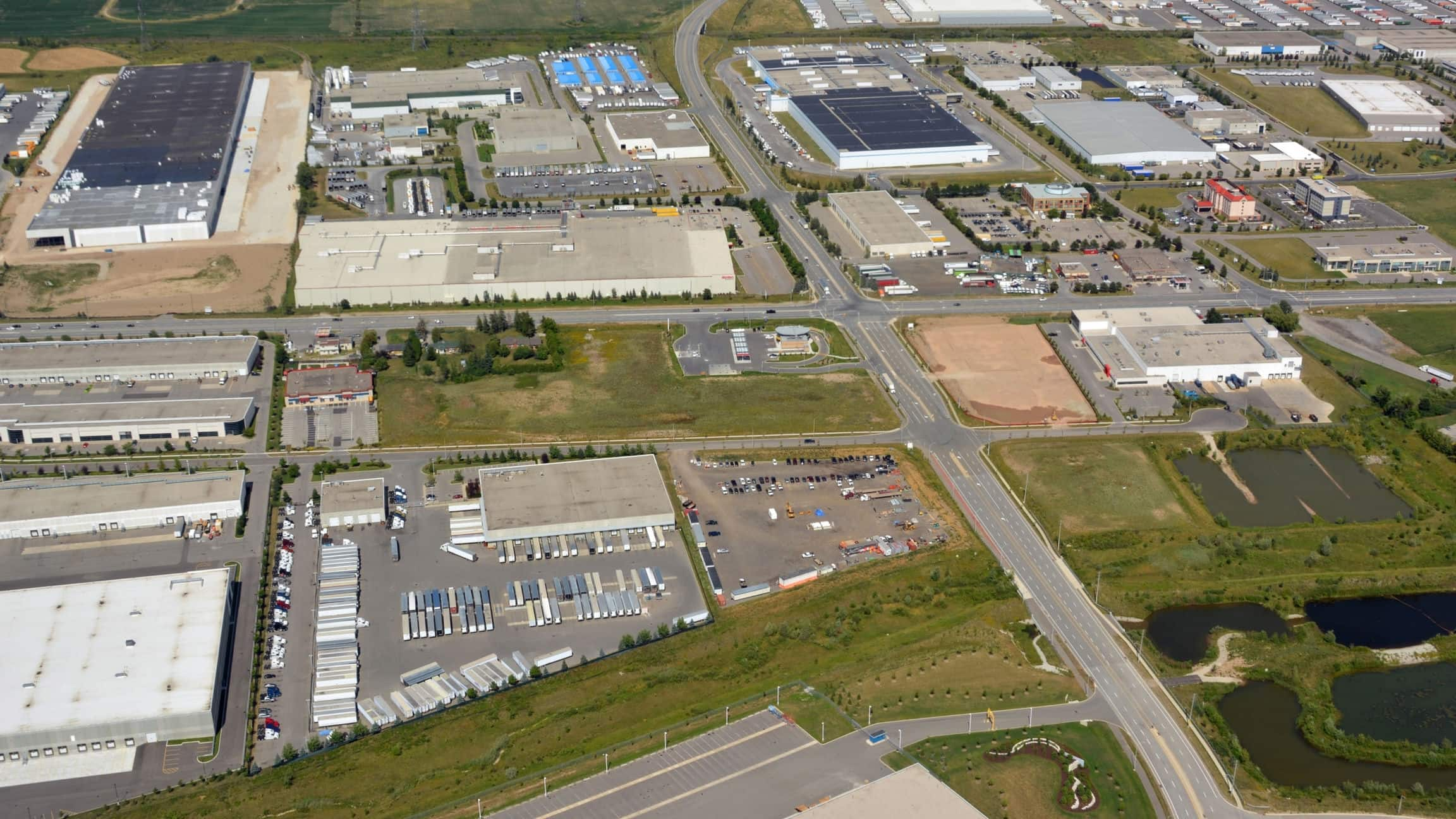
Industrial park rental prices
2. The new context means that “cheap rent” is no longer enough.
Currently, the industrial investment environment has changed significantly. FDI enterprises face many new requirements:
- The pressure to optimize costs exists throughout the entire project lifecycle , not just in the initial phase.
- Higher demands from international customers and partners.
- The need to expand and adjust production models over time.
In this context, relying solely on rental price to select an industrial park can lead to incomplete assessments .
3. Low rent does not necessarily mean low overall costs.
One common misconception is that low rent will result in lower overall investment costs . In reality, rent is only a small fraction of the total costs a business incurs throughout its operating life.
In addition to rental costs, businesses must also consider:
- Long-term infrastructure operating costs
- Costs of renovation and upgrading when expanding production.
- Costs incurred due to infrastructure not meeting new requirements.
- Indirect costs due to disruptions or reduced flexibility in operations.
In many cases, industrial parks with initially low rental prices end up costing businesses more in subsequent years .
4. When low rental prices come with limitations in infrastructure and flexibility.
Low rental prices sometimes reflect certain limitations of the industrial park, such as:
- Technical infrastructure has not been invested in comprehensively.
- Limited scalability
- The potential for infrastructure upgrades is low.
These limitations may not be apparent in the early stages , but they will become barriers as the business increases capacity, changes technology, or expands production.
5. Long-term risks typically only become apparent after several years of operation.
A common characteristic of risks associated with industrial zones is that they don’t appear immediately . Typically, businesses only realize the problem when:
- The project is entering its expansion phase.
- Market demands are changing.
- The production strategy needs adjustment.
At that time, changing the industrial zone was almost impossible, and businesses were forced to accept high adjustment costs or limitations on their growth rate.
6. Long-term advantages come from suitability, not just rental price.
In the current context, the long-term advantage of an industrial park no longer lies in having the lowest rental price, but rather in:
- The degree of alignment with the company’s development strategy.
- Long-term responsiveness and adaptability
- There is room for expansion and adjustment as needed.
An industrial park with higher rental costs but good infrastructure, a stable environment, and high flexibility can deliver better overall returns throughout the project’s lifecycle.
7. How should FDI businesses view rental prices?
Instead of considering rental price as the sole deciding factor, FDI businesses should place rental prices within the overall picture , which includes:
- Initial investment cost
- Long-term operating costs
- Risks and costs arising in the future
- Level of alignment with the development strategy
This approach helps businesses avoid short-term decisions that have long-term consequences.
Conclude
Low rental prices used to be a major advantage for many industrial parks, but in the current context, rental prices are no longer a long-term advantage if they are not accompanied by suitability and sustainable operational capabilities .
Choosing an industrial park should be considered a strategic decision, where rental price is just one factor among many that need to be taken into account.
Related content
Why is choosing an industrial park today no longer just about rental price?
Discussion with Vinascreal
If you are considering choosing an industrial park for your investment project, looking at the overall cost and long-term risk factors will help make a safer and more effective decision.
Vinascreal is ready to accompany you right from the decision-making stage.