


Long-term costs can arise from choosing an unsuitable industrial park.
When choosing an industrial park for factory investment, most businesses tend to focus on immediately visible costs: land lease prices, management fees, and initial construction costs. However, in reality, the biggest costs often appear after a few years of operation , when the business has become closely tied to a specific industrial park for its production activities.
Choosing the wrong industrial park from the outset can lead to unforeseen long-term costs for businesses , directly impacting investment efficiency and competitiveness.
1. Costs for infrastructure upgrades and renovations that arose outside of the planned budget.
One of the most common costs is the cost of upgrading infrastructure after the plant has become operational.
Initially, the industrial park’s infrastructure could meet current needs. However, as businesses:
- Increase production capacity
- Expanding the factory scale
- Applying new technology
Then the limitations of the infrastructure began to become apparent, forcing businesses to:
- Additional investment in technical systems.
- Renovate or build private infrastructure
- Accepting higher costs than initially anticipated.
These costs are often not fully accounted for during the investment planning phase .
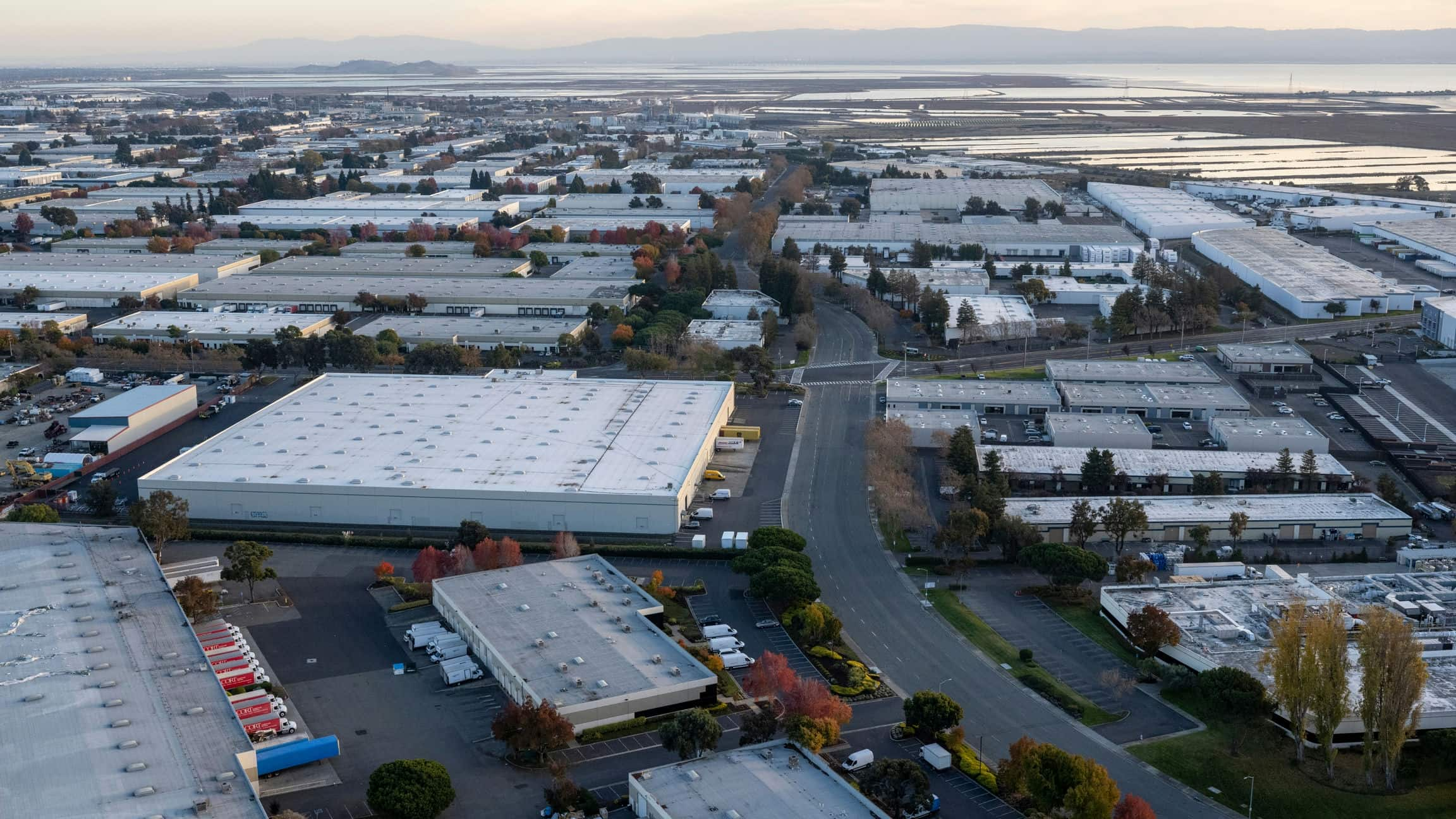
Long-term costs of industrial parks
2. Operating costs increase over time.
An unsuitable industrial park can cause operating costs to gradually increase over time , instead of stabilizing as initially expected.
These costs may come from:
- Low energy efficiency
- The water supply and drainage system is unstable.
- Additional costs for waste and wastewater treatment will be incurred.
When added up over many years, these small individual expenses can become a significant burden for a business.
3. Adjustment costs when production strategy changes
Throughout the project lifecycle, a company’s production strategy rarely remains the same. Markets change, products change, and technology changes accordingly.
If it’s an industrial park:
- Lack of flexibility in planning.
- Limited scalability
- It is difficult to adjust the shared infrastructure.
Each time a business wants to adjust its strategy, it will have to pay the price:
- Factory renovation costs
- Costs of production disruption
- Management costs incurred
4. Costs incurred to meet new requirements from the market and partners.
For FDI businesses, requirements from international customers and partners are often not fixed . Standards regarding operations, transparency, and the environment can be raised over time.
If the industrial park lacks the appropriate infrastructure, businesses may have to:
- Invest in additional, customized supplementary solutions.
- Changing operating procedures comes at a high cost.
- Accepting the loss of competitive advantage in the supply chain.
These costs don’t usually appear immediately , but they directly impact the ability to maintain and expand the market.
5. Opportunity costs lost due to development limitations.
Not all costs are reflected in figures on financial statements. An unsuitable industrial park can also cause businesses to lose future growth opportunities , such as:
- Unable to scale up when market conditions are favorable.
- Unable to participate more deeply in the supply chain.
- Unable to seize new investment opportunities.
These opportunity costs, while difficult to measure, have a long-term impact on business value .
6. By the time the cost is realized, making change is already very difficult.
The common thread among most of the long-term costs mentioned above is:
- They only appear after a period of operation.
- When a business has invested heavily in a factory
- And changing the industrial zone is almost impossible.
At this point, businesses are often forced to:
- Accept the additional costs.
- Optimized within permissible limits.
- Or trade off the speed of development.
7. Why are these costs often overlooked from the start?
The most common causes are:
- Businesses are too focused on upfront costs.
- Lack of a long-term perspective when evaluating industrial parks.
- Not enough scenarios for future development have been considered.
This leads to short-term decisions regarding the selection of industrial parks , while the consequences last for many years.
Conclude
The biggest cost of an industrial park selection decision is not at the time of signing the contract , but in the long-term costs incurred throughout the project’s lifespan.
A thorough assessment of the suitability of an industrial park from the outset will help businesses:
- Better cost control in the long term.
- Maintain operational flexibility.
- Avoid decisions that will have costly consequences later.
Related content
👉 Industrial parks, ESG, and carbon: factors FDI businesses should consider from the site selection stage.
Discussion with Vinascreal
If you are considering choosing an industrial park for your investment project, early discussions to assess long-term cost and risk scenarios will help you make a more proactive and effective decision.
Vinascreal is ready to accompany you right from the decision-making stage.